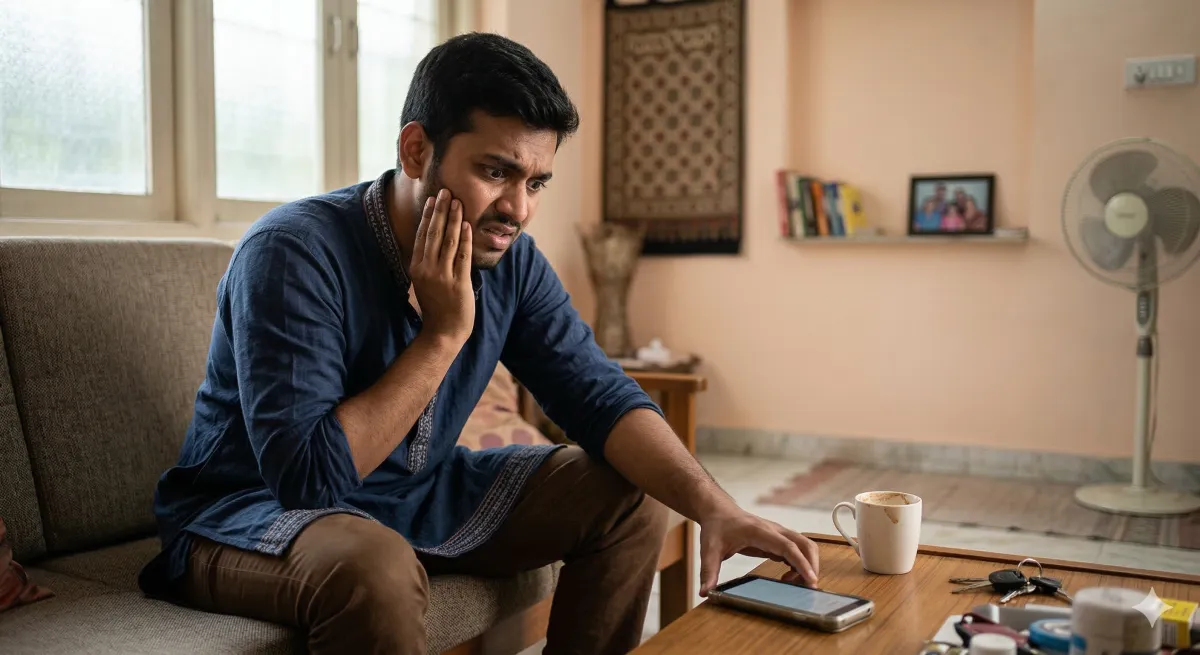
If the sound of a dental drill makes your heart race, if you've been postponing that appointment for months (or years), if you've endured toothaches rather than face a dental chair — you're not alone. Dental anxiety is real, it's common, and it's nothing to be ashamed of.
How Common Is Dental Anxiety?
- Studies suggest 50–80% of Indian adults experience some level of dental anxiety
- About 10–15% have severe dental phobia — enough to avoid the dentist entirely
- The most common fears: pain, needles, the drill sound, loss of control, and past bad experiences
Why Avoiding the Dentist Makes It Worse
The cruel irony of dental anxiety is that avoidance creates the very problems you fear. Small cavities become root canals. Early gum disease becomes tooth loss. By the time anxious patients finally visit, they need more complex (and potentially uncomfortable) treatment — which reinforces the fear.
How We Help Anxious Patients
- No-judgement zone: We will never judge you for waiting too long or for being afraid. Your feelings are valid, and our team is trained to work with anxious patients.
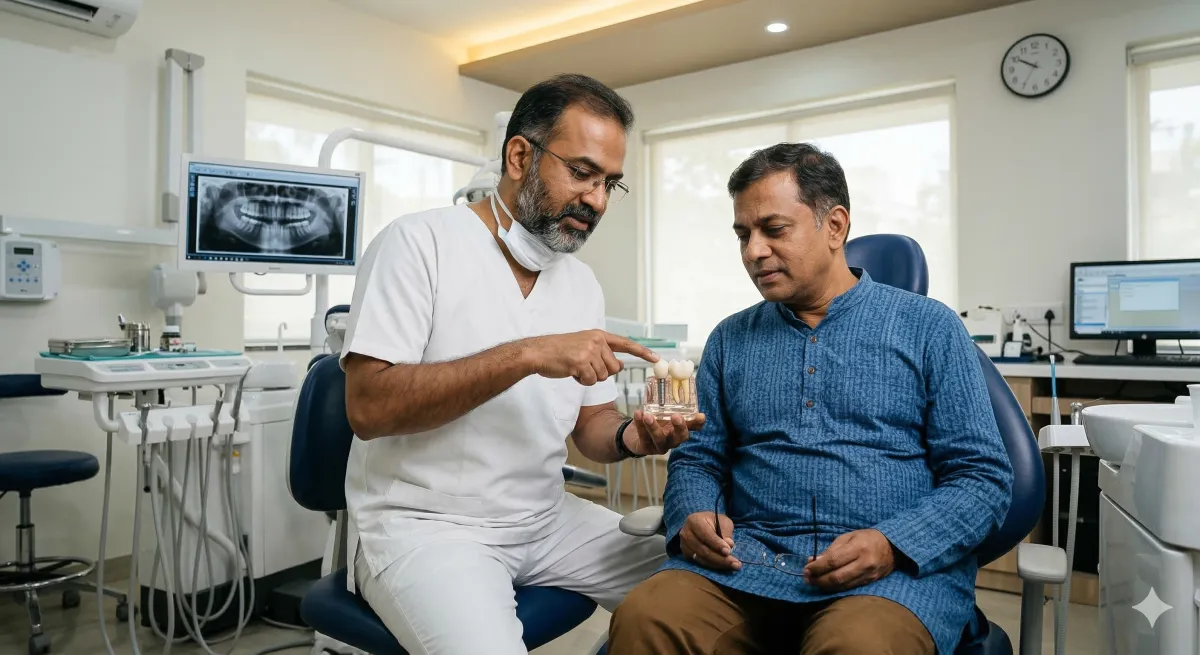
- Start with just a conversation: Your first visit can be a simple chat — no tools, no chair tilting, no treatment. Just talking about your concerns.
- Explain everything first: We explain every step before we do it. No surprises. You'll always know what's happening and why.
- Stop signal: Raise your hand at any time, and we stop immediately. You're always in control.
- Gentle techniques: Topical numbing gel before injections, slow anaesthesia delivery, modern equipment that's quieter and more precise.
- Distraction: We encourage you to listen to music during procedures. It helps more than you'd think.
- Phased treatment: If you need extensive work, we break it into small, manageable sessions — not marathon appointments.
A Real Story: "A 45-year-old teacher from Nanganallur hadn't seen a dentist in 12 years due to fear. She came to us with severe pain, expecting the worst. We spent the first visit just talking. Over the next few weeks, we gently treated everything she needed. She told us later — 'I can't believe I waited so long. It wasn't scary at all.' She now comes every 6 months, smiling." — Dr. Mani Sundar